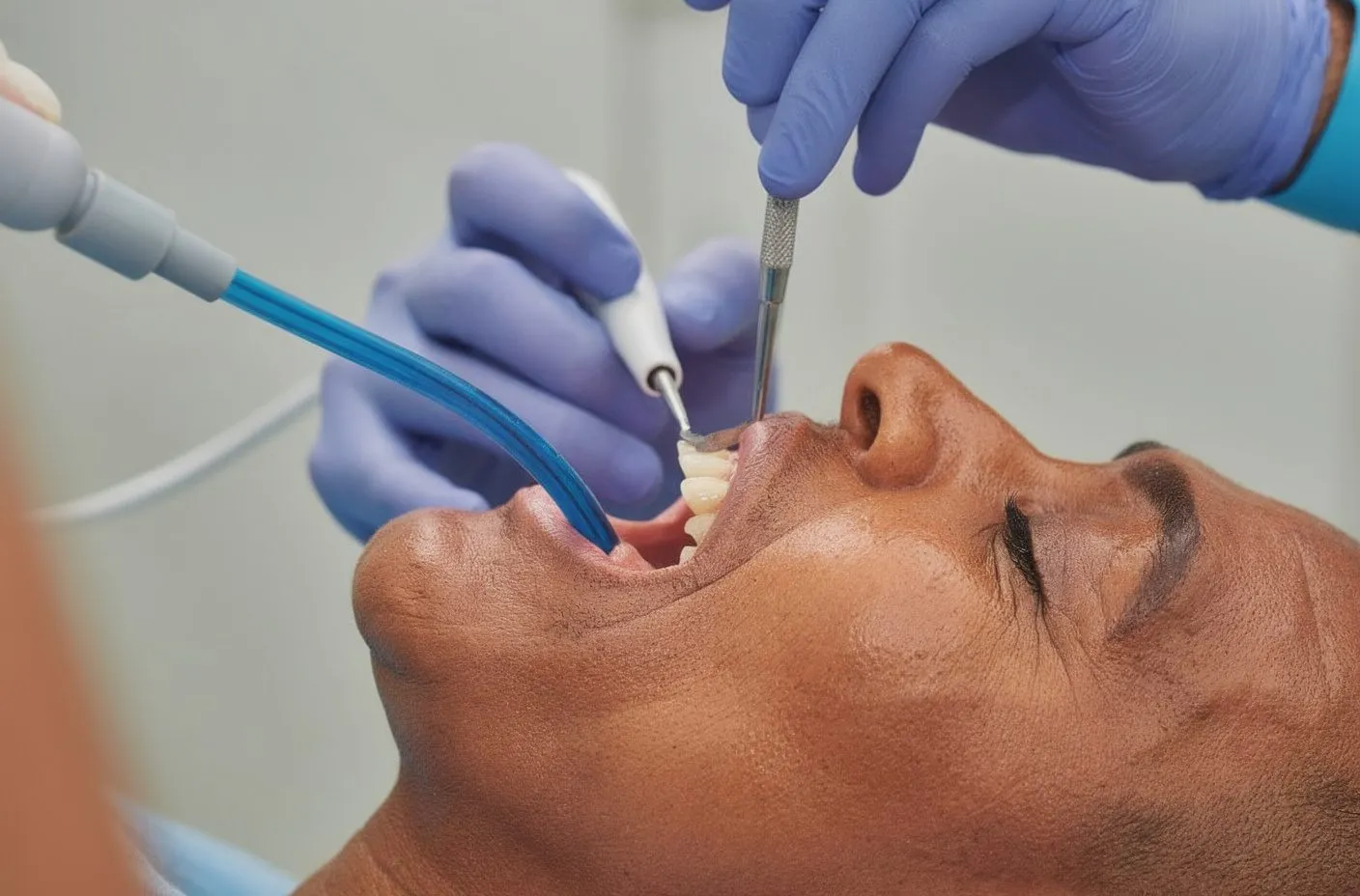
Deep dental cleaning (scaling and root planing) removes plaque and tartar from below the gum line for patients with gum disease. It is usually completed in one to two visits with local anaesthesia, and complements the routine professional cleaning recommended every 6 months.
Medically reviewed by Dr. Saurabh Shrivastava, BDS MDS Prosthodontist, Certified Digital Smile Designer (DSD) (DCI: A-04860). Last updated: May 2026.
Deep dental cleaning — also known as scaling and root planing — removes hardened plaque and tartar from below the gum line in patients showing signs of gum disease, and is usually completed in one to two visits under local anaesthesia. At Smile Gallery Dental Wellness Centre, Arera Colony, Dr. Saurabh Shrivastava, BDS MDS Prosthodontist (DCI: A-04860) provides this treatment for patients from Habibganj and surrounding areas, alongside the routine in-clinic teeth cleaning recommended every 6 months for healthy mouths.
What Deep Dental Cleaning Actually Is
Deep cleaning has two parts. Scaling removes plaque and tartar deposits from above and below the gum line using ultrasonic and hand instruments. Root planing smooths the root surfaces so plaque cannot easily re-attach and so the gum can re-establish its seal against the tooth. Together they treat early-to-moderate gum disease without surgery.
When Deep Cleaning Is Needed
The dentist recommends deep cleaning when gum measurements show pockets deeper than 4 mm, when there is bleeding on probing, when X-rays show early bone loss around the teeth, or when bad breath persists despite routine home care. Catching gum disease at this stage and treating it well usually halts progression and saves teeth that might otherwise be at risk later.
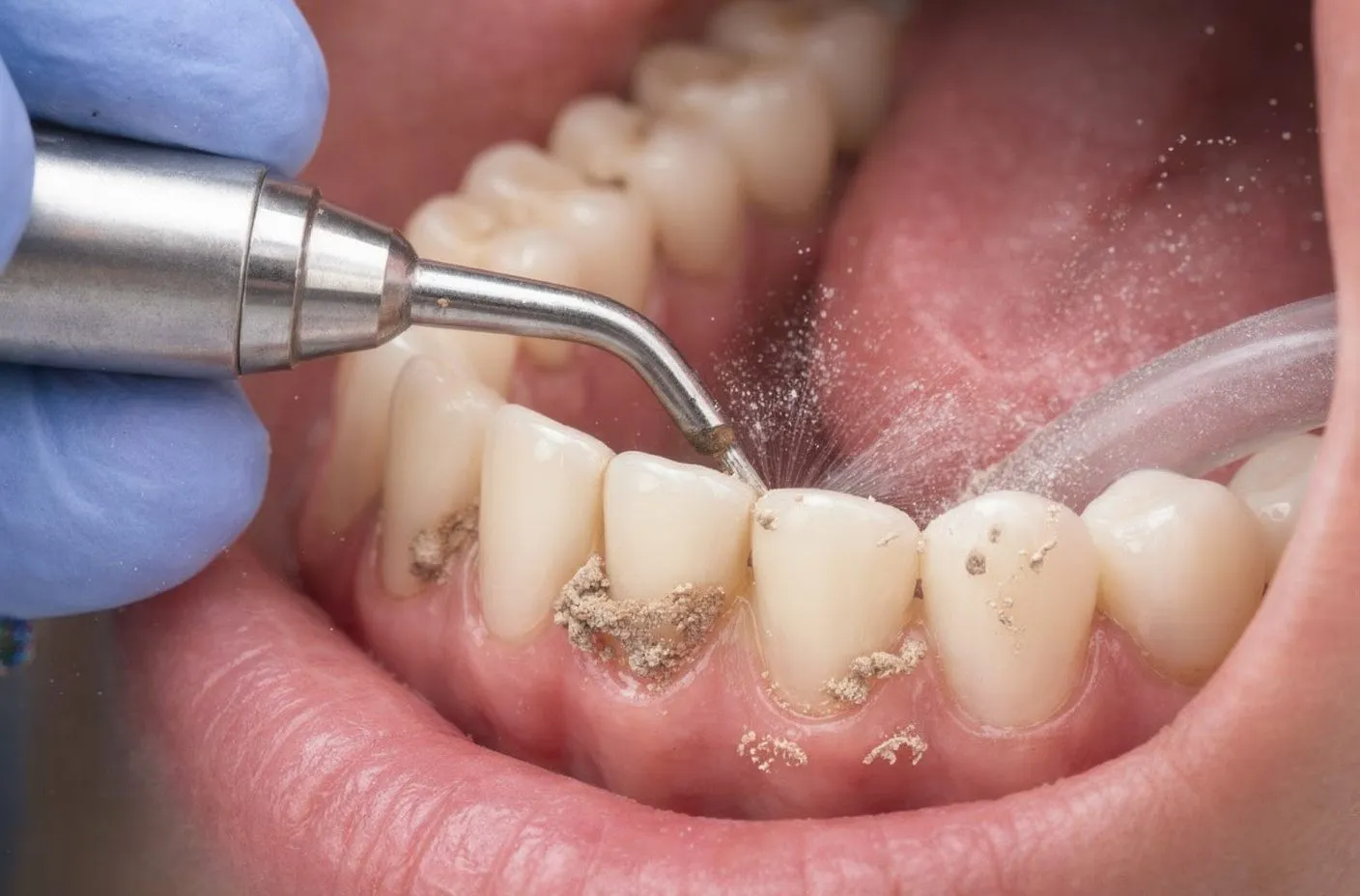
According to Dr. Aashiba, BDS: "The turning point for gum disease is usually a pocket depth of 4mm — above that, an ordinary scaler cannot reach the base of the pocket where the most active bacterial colonies sit, and a routine cleaning leaves that inflammation completely untouched. Scaling and root planing is the only non-surgical way to clean those deeper sites."
How Deep Cleaning Differs From Regular Cleaning
A routine cleaning removes plaque and surface tartar in a healthy mouth, takes 30 to 45 minutes, and does not need anaesthesia. A deep cleaning targets the deposits below the gum line, addresses inflamed gums, and is usually performed under local anaesthesia in one or two longer visits. Deep cleaning is a treatment for a specific problem; routine cleaning is preventive maintenance.
"Most patients who come in for deep cleaning are surprised by two things: how comfortable the procedure is under local anaesthesia, and how different their mouth feels within two weeks. The gums firm up, the bleeding stops, and the bad breath that followed them for months disappears. The change is real and it is fast — it just requires crossing the threshold of making the appointment."
Dr. Aashiba · BDS, Smile Gallery Bhopal
Is Deep Cleaning Painful?
Local anaesthesia keeps the procedure comfortable. Some sensitivity to cold, mild gum tenderness, and slight bleeding is normal for a few days afterwards. The discomfort is usually less than patients fear, and is well managed with simple pain relief if needed. Hand signals (raise your hand to pause) give back control during the visit.
According to Dr. Aashiba, BDS: "Patients with diabetes and gum disease are caught in a two-way cycle — poorly controlled blood sugar feeds the bacteria that destroy gum tissue, and active gum disease raises blood sugar by creating chronic systemic inflammation. A deep cleaning that resolves active periodontitis has been shown in studies to improve HbA1c levels in diabetic patients by as much as half a percentage point."
Recovery — What the Next Few Days Look Like
Eat soft, lukewarm foods for the first 24 hours. Brush gently with a soft brush; the gums will be tender. Use a non-alcoholic mouthwash if recommended. Mild bleeding when brushing for the first few days is normal as the gums begin to heal and tighten back against the teeth. By the end of week two, most patients notice firmer gums, less bleeding, and a fresher feel.
- Gums that bleed every time you brush — occasional bleeding after aggressive brushing is different from consistent bleeding at the same sites every day. Persistent bleeding on probing indicates active gum inflammation that needs professional attention, not just a softer brush.
- Bad breath that does not clear after brushing — halitosis that returns within an hour of brushing often originates from bacteria living in periodontal pockets below the gum line, where your brush and mouthwash cannot reach. Scaling and root planing removes that source.
- Gums that have pulled away from the teeth — visible lengthening of the teeth as gums recede is a sign of attachment loss. Early recession can be stabilised with deep cleaning and improved home care; advanced recession may eventually need a graft.
- Teeth that feel slightly loose or have shifted position — looseness indicates bone loss around the root, which is the advanced stage of untreated gum disease. Deep cleaning at this stage halts further loss; it cannot reverse the bone already gone, but it can preserve what remains.
- Pus visible between gum and tooth — a periodontal abscess is an emergency. The pocket has become isolated and infected. Same-day drainage and a course of deep cleaning is needed before the infection spreads to adjacent teeth or the bone.
How Often Is Deep Cleaning Needed?
Most patients need one course of deep cleaning, followed by improved home care and three or four-monthly maintenance visits for the first year. After that, six-monthly check-ups and cleanings are usually sufficient if the gum disease is well controlled. Patients with diabetes, smokers, or those with a strong family history of gum disease may continue with shorter intervals long-term.
Maintaining Gum Health After Deep Cleaning
Brush twice daily with a soft brush at the gum line. Use interdental brushes daily — most adults need these more than floss for under-bridge and recession areas. Drink water through the day. Quit tobacco; it is the single biggest risk factor for gum disease. Attend the recommended follow-up cleanings without skipping. The investment of one or two deep cleaning visits is preserved by consistent home care over months and years.
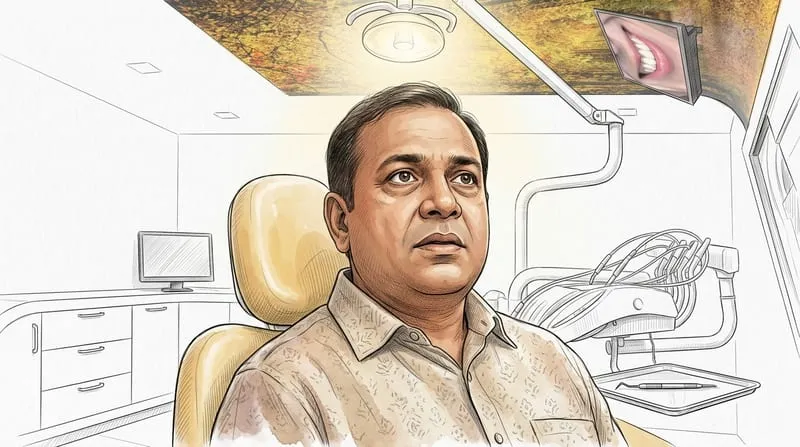
The clinical case and outcome are from Dr. Aashiba's practice.
Suresh came in on a Wednesday morning in September, referred by his physician at a hospital near BHEL Colony. He was 52, a retired BHEL employee, and his physician had noted during a diabetes check-up that his gums looked inflamed and suggested a dental review.
"My gums have been bleeding for two years," he said, settling into the chair. "I thought that was normal for someone my age. My wife said the same thing was happening to her father before he lost all his teeth."
His HbA1c was 7.8 — moderately uncontrolled. The periodontal charting told a clear story: pocket depths of 5 to 6mm at the posterior sites, bleeding on probing at 14 out of 16 sites assessed, and generalised moderate bone loss visible on the OPG. He had not had a professional cleaning in at least 5 years. The calculus below the gum line was heavy — I could feel it with the probe before I had even started instrumentation.
I explained the connection between his diabetes and his gums directly. "These are not two separate problems. The bacteria in your gum pockets create chronic inflammation that makes your blood sugar harder to control. When we clean the pockets, the inflammation drops — and some patients see their HbA1c improve without changing anything else."
We planned 2 deep cleaning visits — right side under local anaesthesia first, left side one week later. The first session took 75 minutes. Suresh gripped the armrest at the start, but relaxed completely once the anaesthesia settled. The right side had 6 posterior sites needing subgingival instrumentation with hand curettes after the ultrasonic scaler had cleared the bulk. Root surfaces were smoothed methodically. He left with a soft brush, interdental brushes sized for his recession areas, and a non-alcoholic antiseptic rinse for the first week.
The left side was completed the following Wednesday. He was calmer that day — "I know what to expect now," he said before the injection. That session took 70 minutes. Total instrumentation complete by day 8.
At his review 4 weeks later, the pocket depths had reduced to 3 to 4mm at the majority of sites, and bleeding on probing had dropped to 3 out of 16. The gums had tightened and paled from inflamed red to a healthy coral pink. His physician reported at the 3-month diabetes review that his HbA1c had dropped to 7.2 — a meaningful reduction that Suresh's physician attributed partly to the resolved deep dental cleaning and reduced systemic inflammation.
He is now on four-monthly maintenance visits. He has not missed one. "I told my wife's father," he said at his most recent appointment, "that if he had come earlier, perhaps things would have been different."
BDS · Smile Gallery, Bhopal
| Follow-up | 12 months (4-monthly maintenance) |
| Pocket depth | Reduced from 5–6mm to 3–4mm at posterior sites |
| Bleeding on probing | Dropped from 14/16 to 3/16 sites by week 4 |
| HbA1c (diabetes marker) | Improved from 7.8 to 7.2 at 3-month physician review |
| Ongoing care | 4-monthly periodontal maintenance visits; coordinated with physician |
Frequently Asked Questions
What does deep cleaning involve?
Local anaesthesia, ultrasonic and hand scaling above and below the gum line, root planing for smoother root surfaces, and a written aftercare plan.
Is deep cleaning available at Smile Gallery in Bhopal?
Yes. Smile Gallery, in Arera Colony, performs scaling and root planing under Dr. Saurabh Shrivastava (DCI: A-04860).
How long does the procedure take?
One to two visits of 60 to 90 minutes each, usually treating one half of the mouth per visit.
What should I expect after the procedure?
Mild gum tenderness, slight bleeding for a few days, and brief cold sensitivity. Improvement within two weeks of consistent home care.
How do I book a gum assessment at Smile Gallery, Arera Colony?
Call +91 9200700750. A gum assessment is included in any routine check-up.
Ready for a consultation?
Visit Smile Gallery Dental Wellness Centre, E-4/205, Main Rd 3, near Flower Market, E-4, Arera Colony, Bhopal.
Open Monday to Saturday 10am–2pm and 5–9pm.