

Dental Crown & Cap in Bhopal
Restore a damaged tooth with a precision-fit crown by Dr. Saurabh Shrivastava (MDS Prosthodontist)
A dental crown is a custom-made cap that covers a damaged or weak tooth to restore its shape, strength and look. At Smile Gallery Dental Wellness Centre in Arera Colony, Bhopal, Dr. Saurabh Shrivastava, an MDS Prosthodontist, designs crowns from digital scans, usually over two visits. Book your crown consultation.
When a tooth is cracked, heavily decayed, or has undergone extensive endodontic therapy, a standard filling is often not enough to restore its structural integrity. A custom dental crown in Bhopal at Smile Gallery provides the full-coverage protection required to save a compromised tooth from extraction. Crafted and placed by Dr. Saurabh Shrivastava, a specialised MDS Prosthodontist, our dental crowns are meticulously designed using digital impression technology for a flawless marginal seal.
Our approach prioritises both function and aesthetics. By perfectly matching the shade, translucency, and anatomical grooves of your surrounding natural teeth, we deliver a highly durable restoration that blends seamlessly with your smile. Furthermore, our commitment to modern, conservative techniques ensures that your experience is a painless dental treatment, focusing on preserving as much of your healthy tooth structure as possible.
What is a crown and when is it needed?
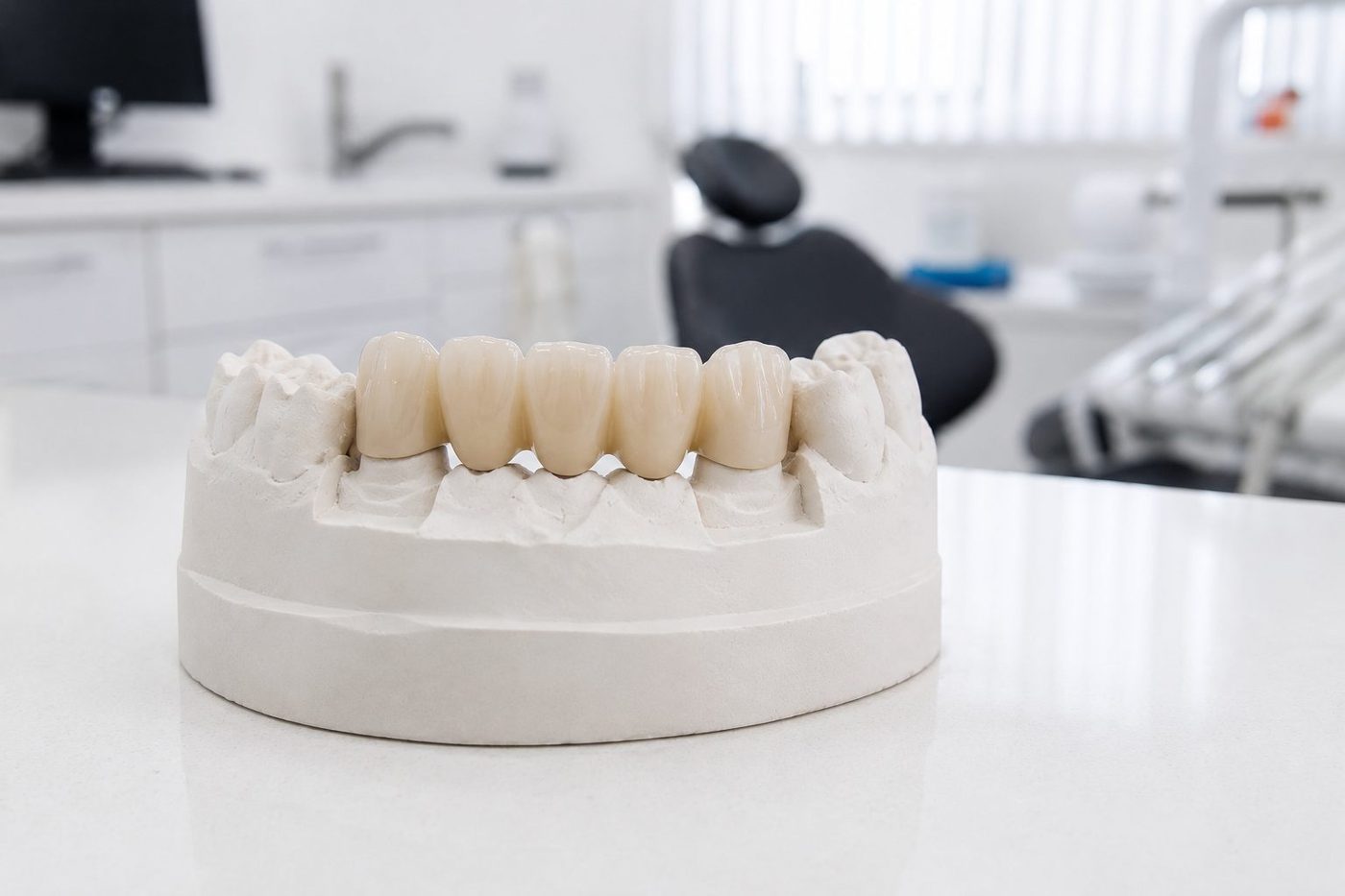
A dental crown is a tooth-shaped cover placed over a damaged natural tooth. It is needed to protect a weak tooth from fracturing, restore a severely broken tooth, or cover a heavily discoloured or misshapen tooth.
Crowns completely encase the visible portion of the tooth that lies at and above the gum line. Think of it as a protective helmet for your tooth. When more than half of a tooth's original structure has been lost to decay or physical trauma, the remaining walls become incredibly fragile. A standard filling relies on the surrounding tooth for support; however, when that support is compromised, a crown is required to hold the entire structure together.
By acting as a durable, unified shield, the crown absorbs and distributes the immense pressure of daily chewing, saving the vulnerable natural tooth underneath from catastrophic fractures. This is especially critical for molars and premolars, which bear the brunt of our biting forces. Without this reinforced protection, a weakened tooth is at a high risk of splitting down to the root, a situation that inevitably leads to tooth loss.
Beyond structural repair, crowns play a vital role in restorative aesthetics and prosthetics. If you suffer from severely worn down teeth due to acid reflux or teeth grinding (bruxism), crowns can rebuild your original bite height and function. Furthermore, if you have missing teeth, multiple connected crowns form the abutment supports for dental bridges, a process detailed on our missing tooth treatment page. The American Dental Association notes that a crown can protect a weak tooth from breaking or restore one that is already broken.
Source: Cleveland Clinic
Source: Cleveland Clinic
Source: AAE
Crown vs cap?
There is absolutely no clinical difference between a dental crown and a dental cap. The terms are completely interchangeable; "crown" is the formal anatomical and clinical term used by dentists, while "cap" is the traditional, everyday term used by patients.
The terminology often causes unnecessary confusion for patients researching their treatment options. Historically, patients described the procedure as "capping a tooth" because the artificial restoration literally sits on top of the filed-down tooth structure, much like a hat or a cap sits on a head. Dentists use the word "crown" because the part of a natural tooth that is visible above the gum tissue is anatomically referred to as the clinical crown.
Whether your treatment plan calls for a zirconia cap or a porcelain crown, the restorative process, the materials used, and the final functional outcome are entirely identical. At Smile Gallery, Dr. Saurabh ensures that regardless of the term you prefer, the restoration you receive is a precision-engineered prosthetic designed to provide decades of seamless function.
Metal vs PFM vs zirconia?
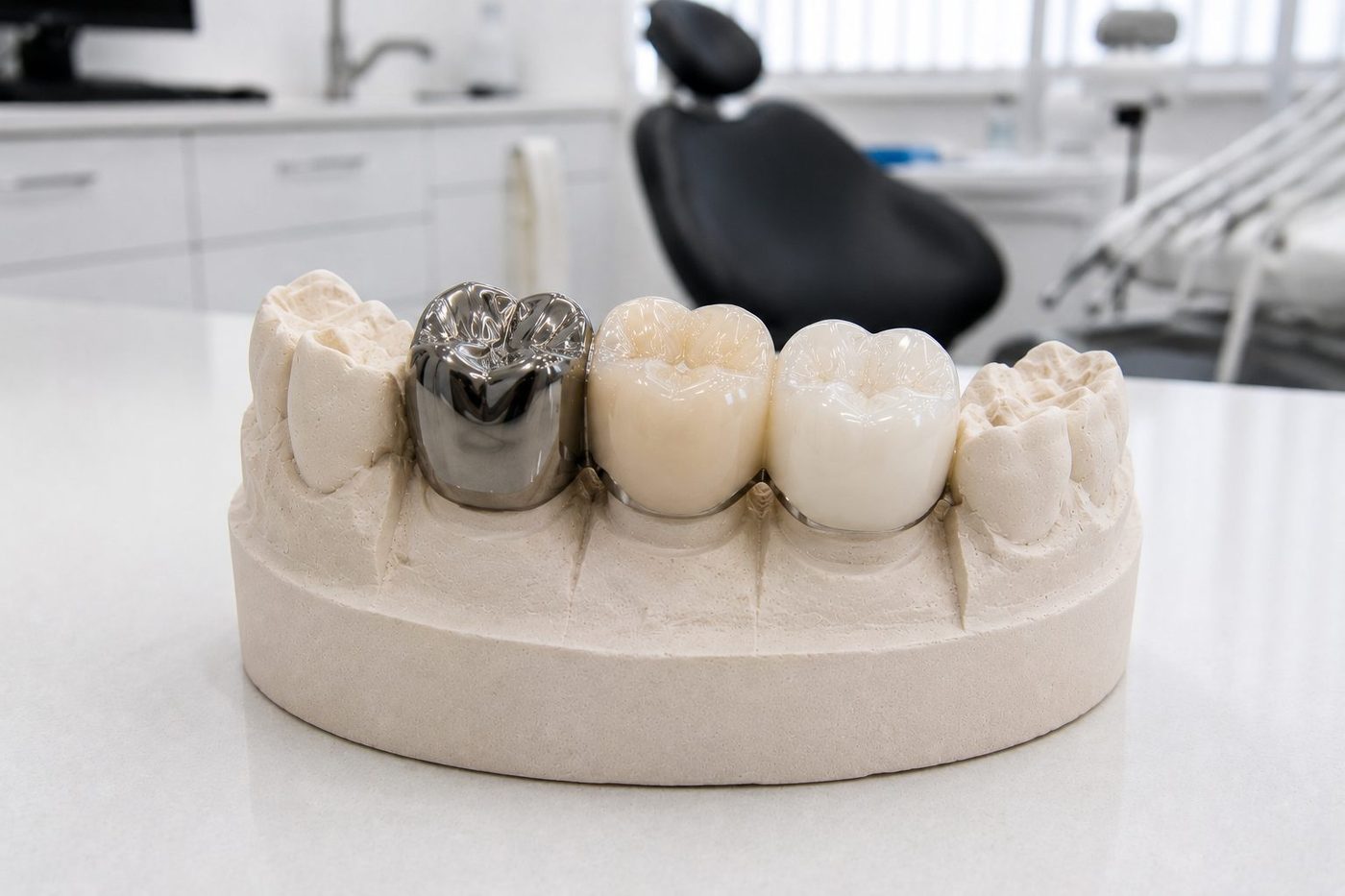
Metal crowns are highly durable but unesthetic. PFM (Porcelain Fused to Metal) offers a tooth-coloured finish but can show a dark metal line at the gums. Zirconia is metal-free, exceptionally strong, and provides the most natural, translucent appearance.
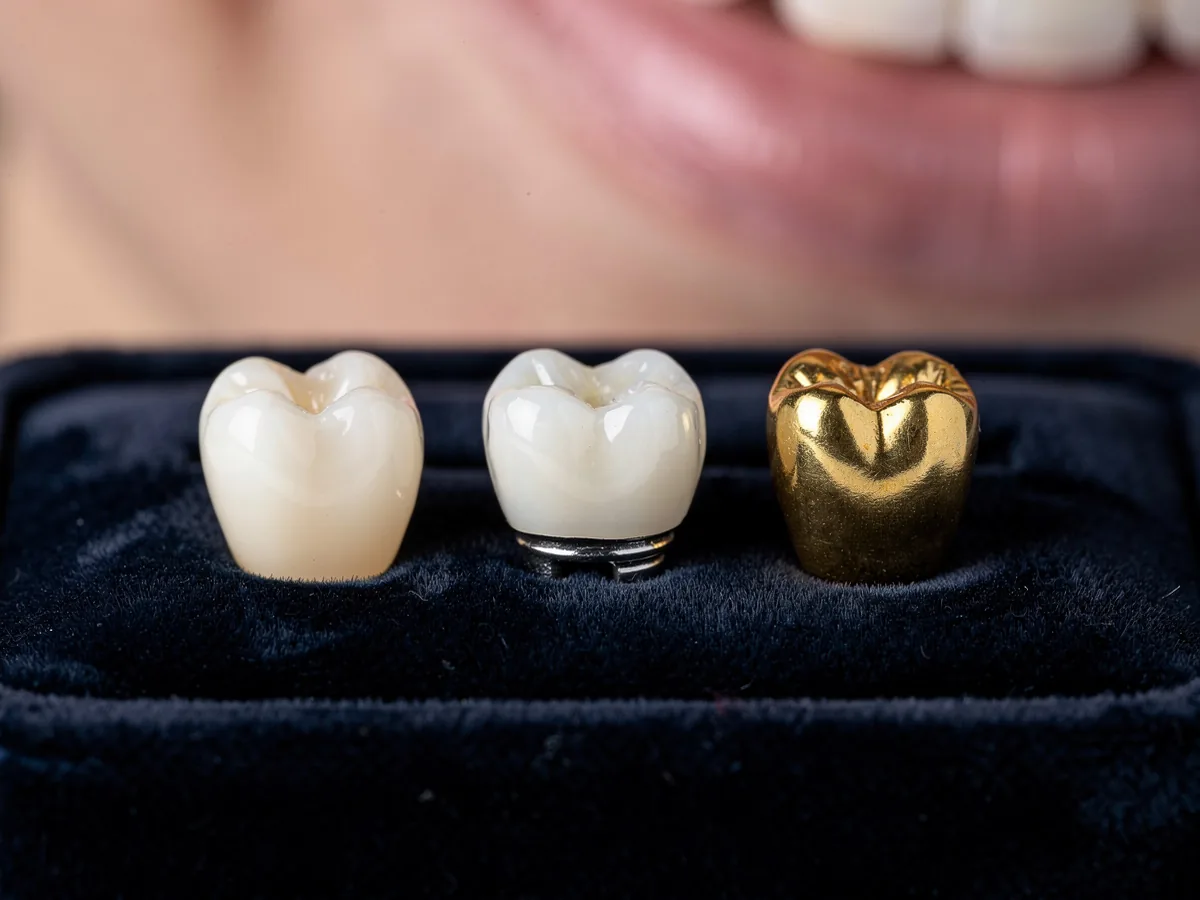
Choosing the right material for your dental crown depends heavily on the location of the tooth and your aesthetic goals. Historically, full cast metal crowns (such as gold or silver alloys) were the standard for back molars because they could withstand immense chewing forces without chipping. While incredibly durable, their highly visible, non-tooth-coloured appearance makes them largely obsolete in modern cosmetic dentistry.
Porcelain Fused to Metal (PFM) crowns were developed as a middle ground. They consist of a strong metal substructure that is layered with tooth-coloured porcelain. However, PFM crowns have distinct disadvantages. The underlying metal core blocks light from passing through the tooth, giving it a slightly opaque, flat appearance. More noticeably, as gums naturally recede slightly with age, the metal margin often becomes visible as an unsightly dark grey line at the gum base.
For modern, premium restorative dentistry, Zirconia is a leading choice. Zirconia is a highly biocompatible crystal that is milled from a single, solid block using advanced CAD/CAM technology. Because Zirconia does not contain a dark metal core, it accurately mimics the natural translucency of real tooth enamel, reflecting light beautifully while completely avoiding the dreaded grey gumline. Furthermore, zirconia is extremely durable and can withstand heavier forces than other ceramic crowns (Cleveland Clinic), which makes it suitable for most teeth in the mouth.
| Crown Type | Aesthetics | Durability | Commonly Used For |
|---|---|---|---|
| Full Metal | Poor (silver/gold) | Excellent (chip-resistant) | Out-of-sight back molars (rarely used now) |
| PFM (Porcelain Fused to Metal) | Moderate (opaque, dark gum line) | Very Good (porcelain can chip) | Bridges and standard back teeth |
| Zirconia (Metal-Free) | Excellent (natural, translucent) | Excellent (very strong) | Any tooth, especially front teeth |
How long do crowns last?
A dental crown lasts about 5 to 15 years on average, and with proper care and maintenance it can last longer (Cleveland Clinic). The true lifespan depends heavily on your daily oral hygiene, diet, and chewing habits.
While the ceramic or zirconia material of the crown itself cannot decay or get cavities, the natural tooth structure underneath it still can. The most vulnerable area is the margin—the exact microscopic line where the artificial crown meets your natural tooth and gum tissue. If plaque is allowed to accumulate at this junction, bacteria can easily seep beneath the crown, causing secondary decay that compromises the entire restoration.
To maximize the lifespan of your crown, you must treat it with the same respect as a natural tooth. This means diligent brushing twice a day and, crucially, flossing around the base of the crown daily. Patients who maintain strict oral hygiene and attend regular six-month check-ups often see their crowns last longer.
Mechanical wear is another factor that impacts longevity. Using your teeth as tools to open packages, biting your nails, or frequently chewing ice and hard candies can chip even the strongest ceramics. If you suffer from bruxism (chronic night-time teeth grinding), Dr. Saurabh will strongly recommend wearing a custom-fitted occlusal splint (night guard) while you sleep. This simple appliance absorbs the extreme forces of grinding, protecting both your new crowns and your remaining natural teeth from premature wear and fracture.
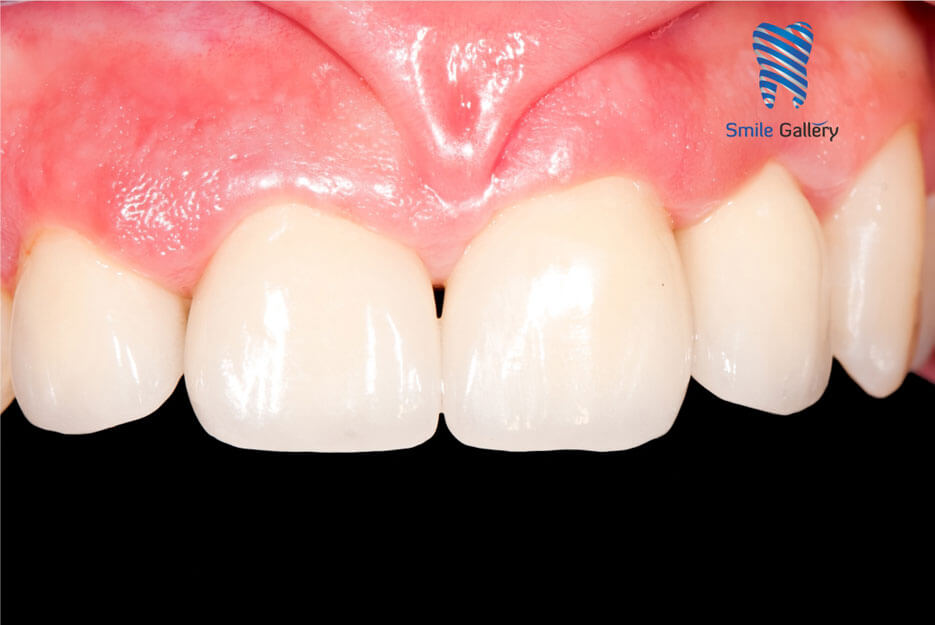 Before
What our crown patients say
★★★★★ 5.0 · 477 reviews"I'd like to share my experience at smile wellness center that the i am very satisfied with the results.i had many root canals and crowns. The staff is very good and polite and the place is hygeineic and very calm environment to get your treatment done"
"I'm Dr. Sandeep Diwakar, and I recently underwent an RCT followed by a crown procedure. The entire experience was excellent from the initial consultation to the final fitting. The doctor explained each step clearly, ensuring I was comfortable and well-informed throughout. The clinic maintained high standards of hygiene and professionalism, and the staff were very courteous and supportive. I truly appreciate the care and precision shown during the procedure. Highly recommended for anyone looking for quality dental treatment with a personal touch."
"I had a great experience with Dr Saurabh. I came for cavity filling and Dr took out the time to explain me the current state of my tooth, made me understand the best way forward basis the health of my tooth. It was a smooth & seamless process. He ensured i am comfortable throughout. He also guided me additionally on how to maintain my teeth health in the longer run."
Which teeth need a dental crown for protection?
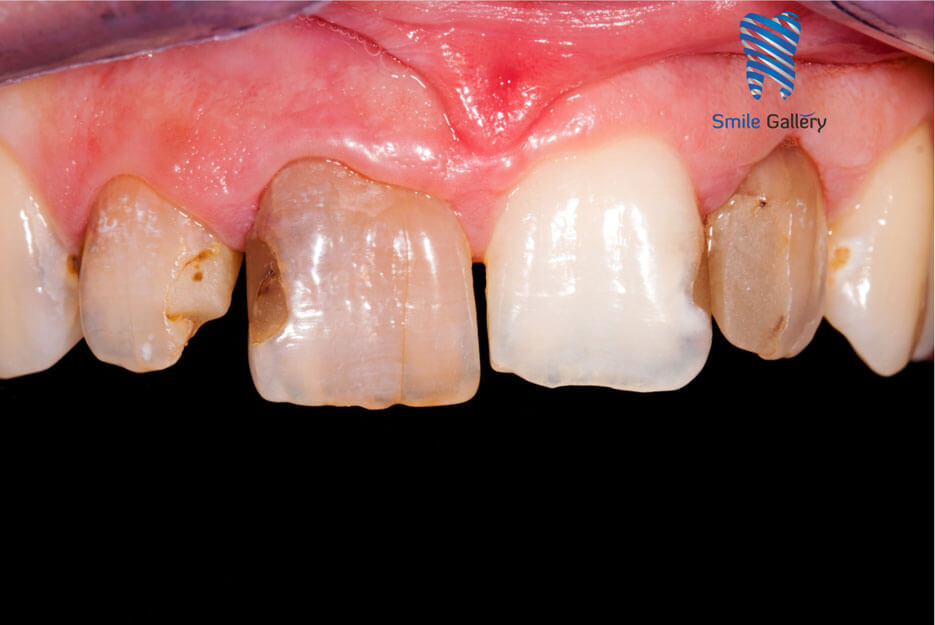
A dental crown is recommended whenever a tooth's remaining structure is too weak to withstand normal biting forces on its own. This includes teeth with large fillings, cracked or fractured teeth, teeth worn down by grinding, and teeth that have undergone root canal treatment.
Here are the most common clinical scenarios where Dr. Saurabh recommends crown placement at Smile Gallery:
- Large or failing fillings — When a filling covers more than half the tooth's biting surface, the thin remaining walls are prone to fracture. A crown reinforces the entire tooth and distributes chewing forces evenly.
- Cracked or fractured teeth — Hairline cracks from trauma or habitual clenching can propagate deeper over time. A crown holds the segments together and prevents the crack from reaching the root.
- Severe wear from bruxism — Chronic teeth grinding can erode enamel down to the dentin layer. Crowns restore lost tooth height and protect the exposed surface from further damage.
- Post-root-canal teeth — After endodontic therapy, the tooth loses its internal blood supply and becomes brittle. A crown binds this fragile structure together and prevents it from shattering under chewing pressure.
- Cosmetic restoration — Severely discoloured, misshapen, or undersized teeth can be transformed with a well-crafted crown that blends seamlessly with the surrounding teeth.
In each of these cases, delaying crown placement risks a vertical fracture below the gumline — a complication that usually means the tooth cannot be saved and must be extracted. Timely crown placement is an effective way to help a compromised tooth stay functional for many years.
If you are considering root canal treatment, visit our RCT treatment page to learn more about the complete process including crown placement afterwards.
Digital scanner for crowns?
At Smile Gallery, we use an advanced intraoral digital scanner to take highly precise 3D impressions of your teeth. This modern technology eliminates the need for uncomfortable, gag-inducing physical putty impressions entirely.
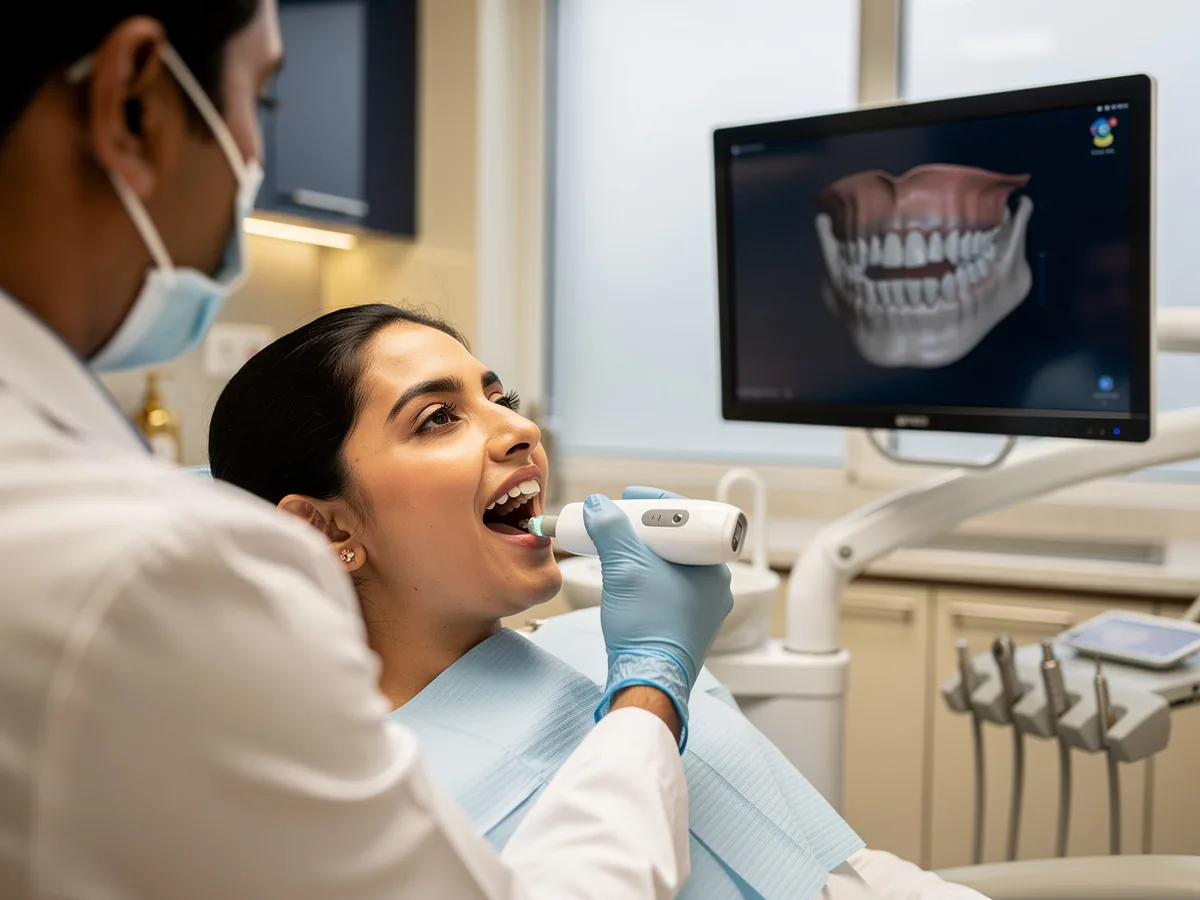
In traditional dentistry, taking an impression required the patient to bite into a large metal tray filled with thick, goopy alginate or silicone paste. Not only was this process messy and incredibly uncomfortable for patients with a strong gag reflex, but the physical materials were also prone to shrinking or warping, leading to ill-fitting crowns that required extensive manual adjustment.
Our digital workflow revolutionizes this experience. Using a small, wand-like camera, we capture thousands of high-definition images of your prepared tooth in seconds, stitching them together into a flawless 3D computer model. This digital file is instantly and securely transmitted to our expert external dental laboratory. The result is a custom crown fabricated via computer-aided milling (CAD/CAM) with microscopic, micron-level precision, ensuring a perfect, gap-free fit the moment it is placed in your mouth.
How many visits are required?
Getting a custom dental crown typically requires two separate visits. The first visit involves preparing the tooth and taking a digital scan. The second visit, usually scheduled a week later, involves evaluating the fit and securely cementing the final permanent crown.
During the first appointment, the target tooth is comfortably numbed and carefully reshaped. We remove any compromised or decayed structure and sculpt the enamel to create sufficient space for the new crown to slide over it seamlessly. Once the preparation is complete, we capture the digital impression. Before you leave, we fabricate and place a custom acrylic temporary crown over the tooth.
This temporary crown is vital. It protects the sensitive prepared dentin from temperature changes, prevents the surrounding teeth from shifting, and maintains your smile's appearance while the laboratory crafts your final restoration. During your second visit, we gently remove the temporary cap, thoroughly cleanse the tooth, and bond the permanent zirconia crown using high-strength dental adhesives, followed by final adjustments to ensure your bite is perfectly balanced.
Does your crown keep coming off, or does the tooth still hurt after earlier work? Treated before and it still hurts? See our second opinion and re-treatment page.
— Dr. Saurabh Shrivastava, MDS Prosthodontist "The fit and margin of a crown are absolutely critical to its long-term success. As a prosthodontist, my focus is not just on making a tooth look aesthetically pleasing, but ensuring the cap seals flawlessly against the natural tooth margin. This precision prevents secondary decay and ensures the restoration performs reliably for decades."
Questions, answered
Frequently Asked Questions
Straight answers to what patients ask us. Anything else, message us on WhatsApp.
Does getting a dental crown hurt?
Getting a dental crown is comfortable with good numbing. The tooth is numbed with local anaesthesia while it is being shaped, so you should feel no pain. If the tooth has already had a root canal, the nerve is gone, so you should not feel any temperature or pressure sensitivity during the preparation.
How do I care for my crowned tooth?
Care for a crowned tooth exactly like a natural tooth. Brush twice daily and floss around the base of the crown to keep the gums healthy and prevent decay from forming underneath the margins of the cap where it meets the natural tooth.
Do I need to replace my crown if it chips?
It depends on the severity. A minor chip can sometimes be smoothed out or repaired with a composite resin. However, if the chip is large, exposes the underlying tooth, or affects your bite alignment, the entire crown will need to be replaced.
Can a dental crown fall off?
While rare, a crown can occasionally become loose or fall off if the underlying cement washes out over time, or if you bite down on extremely sticky or hard foods. If this happens, keep the crown safe and contact the clinic immediately; it can often be easily recemented if the tooth underneath is healthy.
Is a zirconia crown better than PFM?
Yes, in almost all modern cases, zirconia is superior to PFM (Porcelain Fused to Metal). Zirconia is significantly stronger, entirely metal-free, and highly translucent, meaning it looks completely natural and will never develop a dark grey line at the gum margin like PFM crowns often do.
What factors affect the cost of dental crowns in Bhopal?
The main cost factors are the crown material (metal is cheapest, zirconia costs more), the tooth location and complexity (a front tooth needs more cosmetic precision), whether additional procedures like core build-up or post placement are needed, and the dental lab used. Digital impressions taken with an intraoral scanner improve accuracy and reduce the chance of remakes. Your dentist will recommend the most suitable material for your tooth and give you a clear estimate after examination.
Can a loose dental crown be fixed?
Often, yes. If the crown has come off but both the crown and the underlying tooth are intact, your dentist can clean and re-cement it — usually in a single quick visit. If the crown is cracked, chipped, or the tooth underneath has new decay, a new crown may need to be fabricated. Do not try to reattach a loose crown yourself with household glue. Keep the crown safe, avoid chewing on that side, and see your dentist within a day or two.
How do I book a crown consultation in Bhopal?
You can book your dental crown consultation in Bhopal at Smile Gallery Dental Wellness Centre by calling +91 92007 00750. Our clinic is located in Arera Colony, Bhopal, where our specialist prosthodontist will assess your tooth and discuss your options.
Do you offer EMI for dental treatment in Bhopal?
Yes — Smile Gallery offers a zero-interest EMI option on eligible treatments, arranged in-house, so you can spread the cost into monthly instalments with no extra interest charged by the clinic. Availability and tenure depend on the treatment plan and are confirmed during your consultation, along with a clear written estimate before treatment begins — with no hidden charges.
Is there a warranty on crowns, bridges and implant prostheses?
Yes. Crowns, bridges and implant prostheses fitted at Smile Gallery come with a manufacturer's warranty from the dental laboratory that fabricates them, valid across India. Depending on the material and prosthesis you choose, the warranty period ranges from 5 years up to 10, 15, 20, 25 years or lifetime. Dr. Saurabh Shrivastava confirms your exact warranty term and coverage in writing before treatment begins.
अक्सर पूछे जाने वाले सवाल (Hindi FAQs)
Dental crown ka kharcha kis cheez par depend karta hai?
Crown ka kharcha kai factors par depend karta hai — crown material (metal sabse sasta hai, zirconia zyada mehenga), tooth ki location aur complexity (front tooth ko zyada cosmetic precision chahiye), core build-up ya post placement jaisi additional procedures ki zaroorat, aur dental lab. Digital impressions accuracy improve karte hain. Aapka dentist sahi material recommend karega aur examination ke baad clear estimate dega.
डेंटल क्राउन का खर्चा किन बातों पर निर्भर करता है?
क्राउन का खर्चा कई बातों पर निर्भर करता है — क्राउन की सामग्री (मेटल सबसे सस्ता है, ज़िरकोनिया ज़्यादा महंगा), दांत की जगह और जटिलता (आगे के दांत को ज़्यादा कॉस्मेटिक सटीकता चाहिए), कोर बिल्ड-अप या पोस्ट प्लेसमेंट जैसी अतिरिक्त प्रक्रियाओं की ज़रूरत, और डेंटल लैब। डिजिटल इम्प्रेशन सटीकता बढ़ाते हैं। आपका डॉक्टर सही सामग्री सुझाएगा और जांच के बाद स्पष्ट अनुमान देगा।
Kya dental crown lagwane mein dard hota hai?
Dental crown lagwana achhe numbing ke saath aaramdayak hota hai. Tooth ko local anaesthesia se numb kiya jaata hai jab shape diya jaata hai, isliye dard mehsoos nahi hona chahiye. Agar tooth ka pehle root canal ho chuka hai, to nerve already nahi hoti, isliye preparation ke dauran koi temperature ya pressure sensitivity feel nahi hoti.
क्या डेंटल क्राउन लगवाने में दर्द होता है?
डेंटल क्राउन लगवाना अच्छी सुन्नता के साथ आरामदायक होता है। दांत को आकार देते समय लोकल एनेस्थीसिया से सुन्न किया जाता है, इसलिए दर्द महसूस नहीं होना चाहिए। अगर दांत का पहले रूट कैनाल हो चुका है, तो नस पहले से ही नहीं होती, इसलिए तैयारी के दौरान कोई तापमान या दबाव संवेदनशीलता महसूस नहीं होती।
Dental crown lagwane mein kitni visits lagti hain?
Custom dental crown lagwane mein aksar do alag visits lagti hain. Pehli visit mein tooth prepare kiya jaata hai aur digital scan liya jaata hai. Doosri visit, jo aksar ek hafte baad hoti hai, usme fit check karke final permanent crown cement kiya jaata hai.
डेंटल क्राउन लगवाने में कितनी विज़िट लगती हैं?
कस्टम डेंटल क्राउन लगवाने में अक्सर दो अलग विज़िट लगती हैं। पहली विज़िट में दांत तैयार किया जाता है और डिजिटल स्कैन लिया जाता है। दूसरी विज़िट, जो अक्सर एक हफ्ते बाद होती है, उसमें फिट जांचकर फाइनल परमानेंट क्राउन सीमेंट किया जाता है।
Who treats you
Book a visit
Ready for a Consultation?
Send a photo of your teeth on WhatsApp. A real person from the clinic, not a bot, replies honestly. Darr lag raha hai? Pehle sirf baat kar lijiye.
Calls & WhatsApp 10 am–9 pmSmile Gallery Dental Wellness Centre
E-4/205, Main Rd 3, near Flower Market,
E-4, Arera Colony, Bhopal 462016
One last step: tap Send in WhatsApp so we know it’s really you.
Open WhatsAppCalls & WhatsApp 10 am–9 pm