



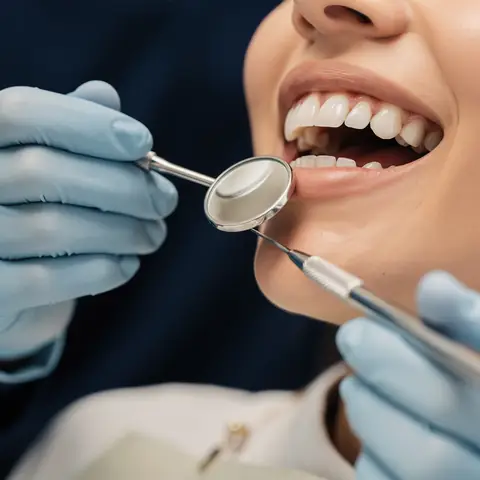
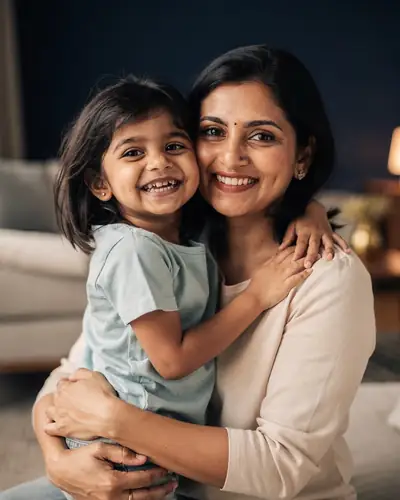
 First visits
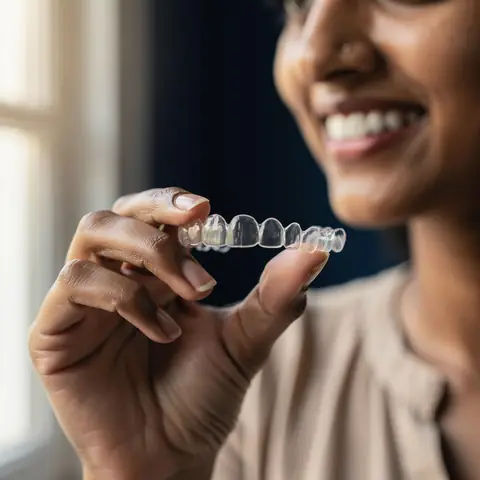
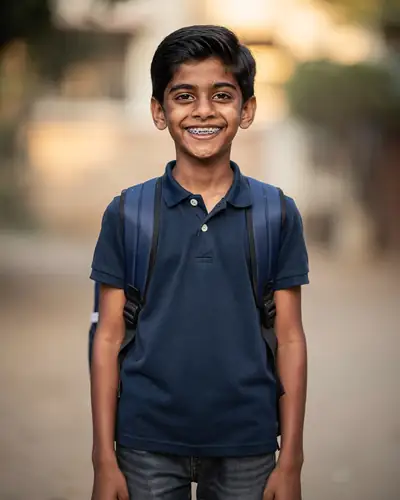 Braces years
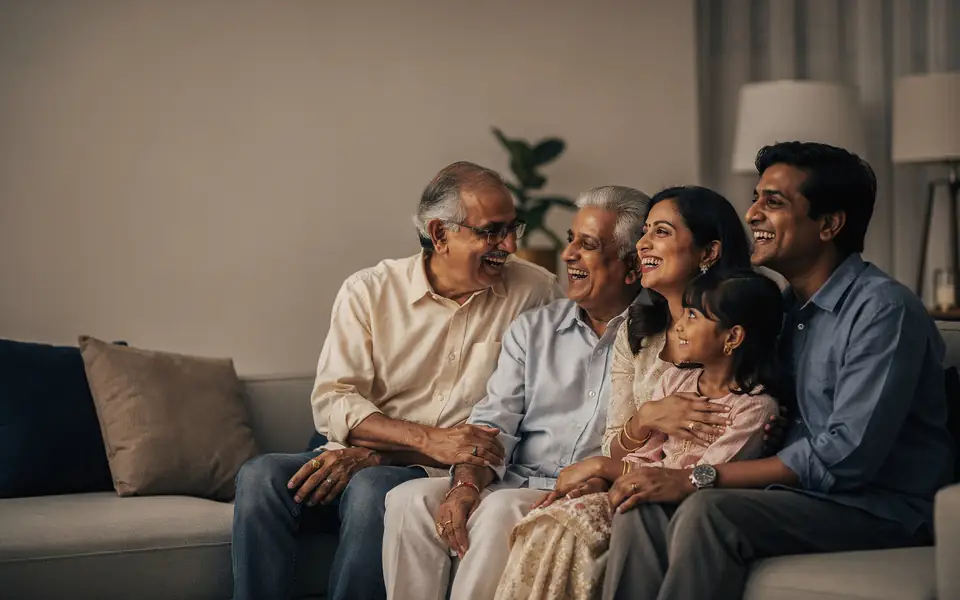
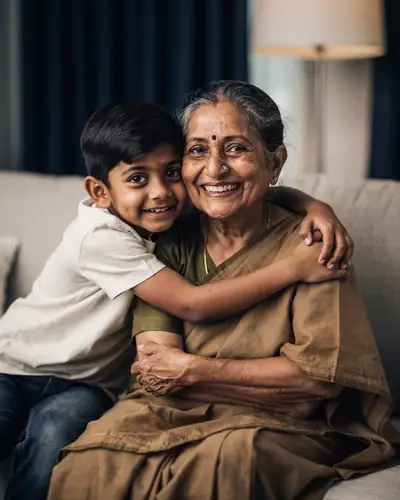 Grandparents’ smiles
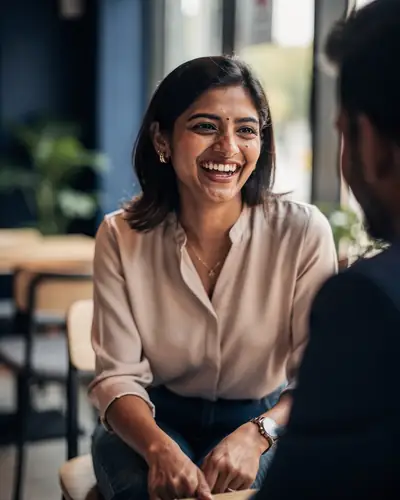 Career confidence
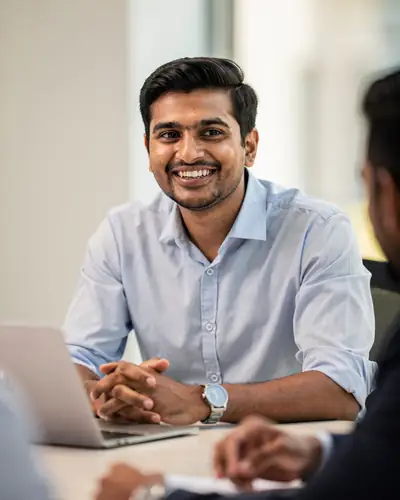 Straight and sure
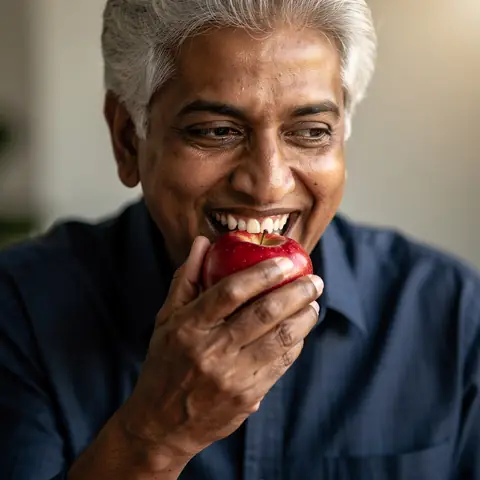
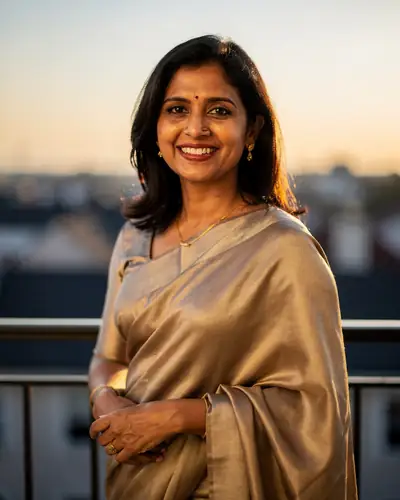 Forty and glowing
Good experience, Got my damaged tooth removed and cavities filled here. Also deep cleaning for gingivitis.
P
Puntu★★★★★
29 Aug 2022Mon–Sat 10 am–2 pm and 5–9 pm
Calls & WhatsApp 10 am–9 pm
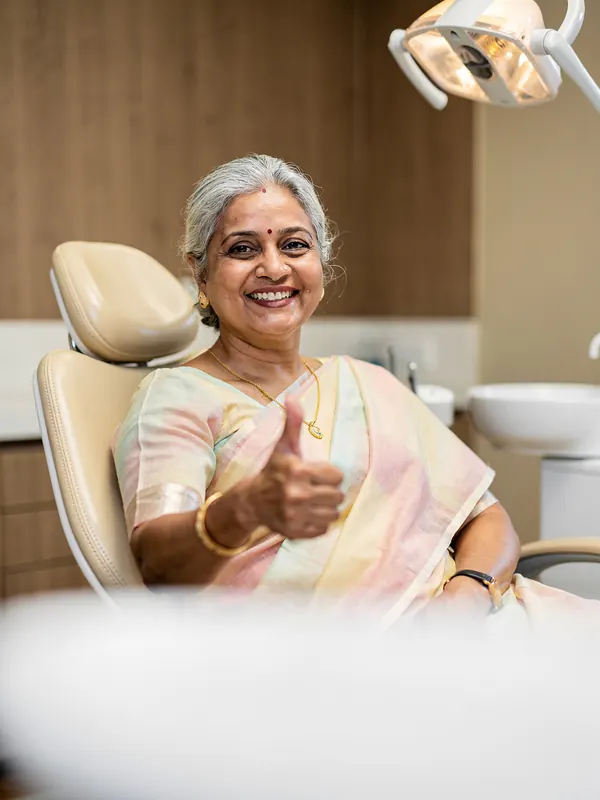
Smile Gallery Dental Wellness Centre · Arera Colony
Come in worried. Leave smiling.
Gentle, specialist-led care for your whole family, from a child’s first check-up to a grandparent’s new smile. You’ll know what’s wrong, what it costs and how long it takes, before anything starts.
★5.0 · 477 Google reviews
Since 2011 · Specialist-led · Arera Colony, Bhopal · Wheelchair access
Bite without fear.Laugh without hiding.Smile without thinking.
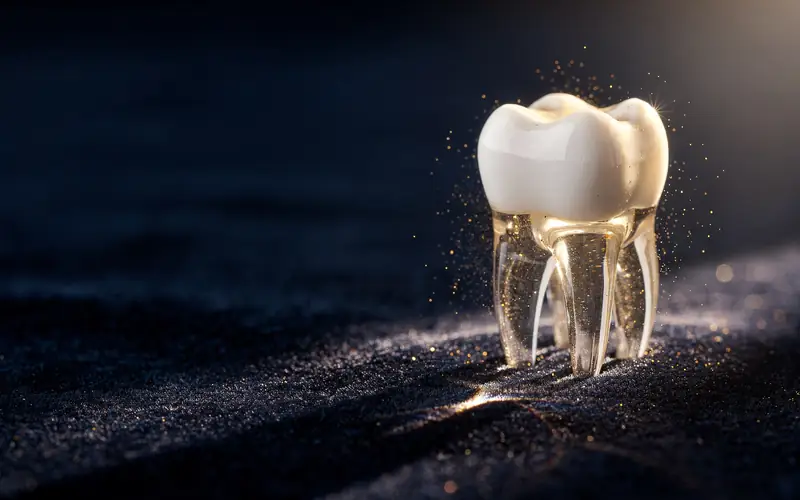
Dental implants in Bhopal
Fixed teeth that feel like your own
Planned and placed by implant specialist Dr. Saurabh Shrivastava, MDS.
EMI available on implants
Scared of the chair, worried about the cost, or hurt by a past visit? Four promises, before you book.
Medically reviewed by Dr. Saurabh Shrivastava, BDS, MDS (Prosthodontics) · DCI A-04860 · IDA 75737 · October 2026
Three MDS prosthodontists, the specialists trained to rebuild and replace teeth. Implants are planned and placed by implant specialist Dr. Saurabh Shrivastava (DCI A-04860). The doctor you meet is the doctor who treats you, every visit, since 2011.
We numb properly, use a BIOLASE laser where it means less drilling, and offer conscious sedation if you are anxious. You go at your pace.
Instruments are sterilised for every patient. A UV tower disinfects the whole treatment room between one patient and the next.
A written plan with the cost, before anything starts. EMI on implants and braces. You decide, and no is fine.
Why choose us
Many families here have come to us across three generations. These are the reasons they stay. The same doctor who treated your parents can treat your children.
Four reasons
MDS prosthodontists and an implant specialist plan your treatment.
A BIOLASE laser where it helps, and conscious sedation if you are anxious.
Sterilised instruments, and a UV tower disinfects the room between patients.
Digital smile design shows you the result first. No surprises.
Second opinion · Re-treatment
For the root canal that still hurts.
We’ll fix it.
We find out why it went wrong, then put it right. And if a tooth truly can’t be saved, we’ll tell you honestly and show you the best way to replace it.
How re-treatment worksWe listen to what happened, then check the tooth and the old work with digital X-rays and a scan. Bring any old X-rays or reports you have.
What can be saved, what needs redoing, and why. You get the plan and the cost in writing before anything starts.
Root canals, crowns, bridges, dentures and implants are redone by the specialist best suited to them, and we see you back until it feels right.
I was so concerned & didn’t want to get the tooth removed. I’m so happy by the treatment done by Dr Saurabh!
Irfan Bhati · Google review
I went to clinic for Re-RCT of my incisor tooth… He has done my treatment very well… result is completely fine.
Nausheen Khan · Google review
Dental treatments can be intimidating, especially when you’ve had a long history with them, but Dr Saurabh was incredibly gentle, patient, and attentive to my comfort.
Jeetendra · travelled from Narsinghpur · Google review
Our doctors are members of the Indian Dental Association, the Indian Society of Oral Implantologists and the Indian Prosthodontic Society. We follow the clinical standards published by the American Academy of Implant Dentistry and the American Academy of Cosmetic Dentistry.
Start with what is bothering you. These are the five things patients ask us about most; tap one to read how we treat it. Tell us what you avoid: cold water, a photo, a meal, a laugh. We will start there.
From a child’s first visit to grandparents who keep every tooth.
These pictures are illustrative.
Rated 5.0 on Google from 477 reviews, written by patients in their own words.
Had a very good experience here at smile gallery. I came for composite venners. And the work was tremendous. Coming from police background Im very particular about the treatment. The result are perfect. The doctor aashiba here was very kind. Very satisfied
SShivendra Pathak27 Aug 2026 · Google review
Good experience, Got my damaged tooth removed and cavities filled here. Also deep cleaning for gingivitis.
I had a great experience at the Smile Gallery Clinic.The doctor was very professional and knowledgeable. Dr.Saurabh Shrivastava is a great dentist. He explained me everything very nicely and kept me calm too. Great service from front desk to doctor and the staff. Highly recommended😁😁
Smile Gallery is the right Dental clinic one can wish for, be it convenient location (adjacent to 10 No market, Bhopal), Professionally skilled dental surgeons, adroit technicians, hygienically neat and clean spacious clinic which is well equipped with latest technical equipments (dental chair included), nice reception area, ease of payment ( Cash/POS card swipe, UPI) and last but not least pocket friendly. I wish…
Excellent experience for me & my mother. Great doctor an staff, I recommend to others, visit and have great experience. 👍
Hello myself aashiba jain, I came to know about smile gallery clinic after the searches and visited them for my front teeth, and was very particular about my esthetics. My experience went very good as they have very good working skills with a good clinic setup to meet your present day requirements. With digital smile designing I'm able to have my smile and esthetics that look so natural. Thank you Dr saurabh…
Excellent n very dedicated doctors ...... very effective n cost worthy treatment is offered here
My experience has been great. Dr Kirti's hand is very gentle which made the treatment ideal. I highly recommend for all dental treatment.
It was a wonderful experience getting treatment under Dr Saurabh and Dr Kirti.Their diagnosis, counselling, treatment, their efficient staff and last but not the least their smiling faces and softness in behavior made all the difference. Wish them lots of success and fame in all their endeavors in life.
Awesome place to get Denta Checkup, Staff was very helpful, Doctor was extremely professional.
Last month I visited Dr. Saurabh for extreme sensitivity in my teeth. He took xray and advice me to have a root canal . His way of taking the patient and doing treatment is extremely nice . No hurry... Do complete examination over that. The process is extremely painless. Done my root canal and the pain has gone completely. Very much satisfied with him, Now my whole family taking treatment from him. I can say best…
One of the best doctor known to me, specially for dental implants. Above that, I found him a very good human being whose approach is always patient oriented and not self oriented. Thanks
Nothing but the best dentist in Bhopal! I have needed immediate attention from Dr Saurabh, and he found a way to squeeze me in last minute to attend to my urgent need.
My experience here was excellent. They were extremely thorough in their treatment.
I visited Smile Gallery for fixing the discolouration of my upper front teeth.Dr Saurabh and Dr Kirti were very professional in guiding me towards making right choice for my treatment. Saurabh did an amazing job. The outcome was fabulous.Cant thank them enough for the crowns.Highly recommend.
Had a great experience with Dr. Shrivastav, he was very gentle and takes time to listen to even the smallest feedback. Very satisfied.
Excellent Treatment. One of the best dentist in Bhopal indeed.
Always smiling doctor and staff.. Professional...ready to help and advise.
It was great experience in smile gallery dental wellness clinic . Dr Saurabh one of the best dentist in bhopal.
Very good experience. The doctors give genuine advice and provide great treatment. It is a go to place for any dental treatment!
This is the best place u can visit for your dental treatment 😉
Smile gallery dental wellness is a very good dental clinic in bhopal for implants and smile designing . The specialists there are highly qualified and experienced. The plus point of the centre is that the treatment provided there is very ethical and for patient's benefit.
I have visited three more clinics before this for same tooth problem, but each time it got aggravated, I was so concerned & didn’t want to get the tooth removed. I'm so happy by the treatment done by Dr Saurabh! Scheduling for a root canal was easy, the way he did the root canal work was absolutely pain free. I've already recommended him to several friends and co-workers.
Recently went there along with my sister to get our teeth fixed. Cleanliness and hygiene is maintained at all stages and would highly recommend to anyone living in Bhopal and looking for a reliable and trustworthy dentist. Dr. Shrivastava paid attention to all the details and was very thorough in his explanation and treatment. We are both very satisfied with our results. Thank you Doctor!
I was well taken care of by Dr Saurabh and his team. Definitely the best dentist in Bhopal with his professional dentistry services! I highly recommend it.
Brilliant service, cleanliness and professionalism. Highly recommend them.
Extremely satisfied with the service. Clean, organised and well equipped clinic with very helpful staff. Dr Saurabh’s advice and treatment was very good. The entire procedure was painless.
My experience With saurabh sir was really Nice. Good communication and easy treatment plan .happy to be here and get ny treatment.
Had a wisdom tooth extraction surgery 10 days ago. Surgery was uneventful and the surgeon did a very fine job.
Very nice place for dental checkup and I am so happy with their service. Thank you smile gallery.
Very well equipped Dental Clinic of Bhopal with all modern facilities. I went there for my dental treatment and the doctor showed my carious tooth xray on monitor, explained everythjng in detail and treated well. I would recommend it to everyone.
Best dental clinic in Bhopal.Very cooperative Doctors and staff.Treatment is very proper and reasonable in rates
This is the best place you can visit for your dental treatment.
It is a best place for smile designing and implants .I had a very good experience 👍I loved the treatment 😊
Where do I start? This clinic is absolutely awesome. Anyone that knows me will tell you going to the dentist cause me to get very anxious. Since I’ve been going to Dr Saurabh, any fear, I previously had been all gone. His clinic is one of the best for tooth implants in Bhopal. Procedure was painless, my view is they are way ahead in the technology and equipment’s they are using in the clinic, absolutely hygienic…
Thank you doctor for giving me the beautiful smile. This is the best place you can visit for your dental treatment. Doctor is expert in his field and gives you the best possible treatment. He is so experienced and understanding. The way he does his work is excellent. He can make you comfortable with his way of treating the patient and explains everything about the treatment which is really required. I am so grateful…
I've been to Dr Saurabh twice - once for X-rays and cleaning and the other 2 for cavity fillings. Each time he was extremely friendly, and no doubt has one of the best dental clinics in Bhopal.
Excellent & expert care and handling by Dr. Saurav Shrivastav. Had my root canal done and he was very supportive and educational. What I liked best about Dr. was that he was in no hurry or rush for the treatment and always ensured that my comfort and wellbeing during the entire process. He is a soft spoken and very confident person and his humble nature and deep expertise makes him a top dentist in Bhopal in my…
I had a long drawn treatment of several teeth at this clinic that included a number of RCTs, gum curettage, tooth extensions and cavity fillings. The doctors are very proficient and and patiently hardworking. The surgeries are painlessly performed. The doctors are experts to treat any dental problem. The approach of the doctors is very patient friendly, they explain the malady and treatment in detail to the patient.…
The root canal treatment went well and without pain. Thank you to Dr Saurabh and Smile Gallery for an excellent dental experience.
I had my two cappings done from dr saurabh Shrivastava, in the upper front tooth region. The treatment options was very much simpler and did went according to my comfort. The process of approach is very commendable.Also keeping the covid protocols in mind , they did keep thorough sterilization during the entire procedure. So the entire experience of having my treatment was very good. Thank you Dr saurabh sir and…
This clinic has given my children a really great treatment, normally a child would be scared to go to a dentist, but the dentist's & staff's friendly behaviour and gentle methods of operating has brought a wonderful and effective experience. Even recommended it to my relatives, they liked it too, especially for kids.
One of the best dental facilities available at present in Bhopal is at Smile Gallery.... really brings smile on ur face! Provides Most clean, hygienic n well organized option available. Dr Saurabh explains in a very simple language abt the disease n treatment most suited. Highly recommended 👌
This is a state of the art facility with very humble and competent doctors who do a great job Strongly recommended
Awesome is how I would describe the dental service provided . The Cosmetic Clinic in Bhopal. Dr. Kirti here is very professional as well as great in her job, and took all the appropriate COVID-19 measures, which was great. Overall, a truly once in a lifetime dental experience, and would highly recommend this service to all.
Thankyou very much Dr.Saurabh and Dr Kirti for excellent treatment of my father... The whole sterilisation protocol was so nicely followed The whole team & staff is good & very supportive and informative I'm very satisfied with the implant surgery and treatment of my father! Thank you so much.. 😊
I got my braces done. Immaculate work. Despite a COVID scenario my case was handled with utmost care. Dr. Saurabh knows his craft which is a rarity in the times we live in. Accurate and custom scheduling of appointments makes it a hassle free experience where your time and effort is valued by your doctor and their team. All in all a very satisfied consumer.
Wow what an experience, this is the best dental clinic in Bhopal! Extremely efficient and always on time with scheduling. I've been visiting Dr Saurabh for years now and I would highly recommend it.
Congratulations for establishing such an excellent dental clinic at Bhopal.I went a major dental surgery and am happy with whole process. Clinic is technically well equipped extremely clean,with excellent doctors and wonderful care. Complete transparency is kept there , a patient knows what treatment one is getting. All the precautions regarding pandemic is taken here , this gave me strength during all this…
Your specialists
We work as one team. For some treatments two of us care for you together; for others, the specialist best suited to it leads your care from the first visit to the last.
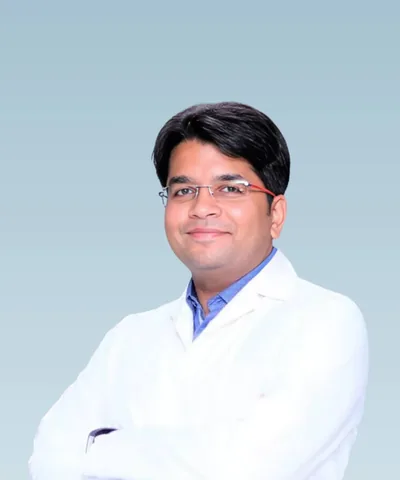
Prosthodontist & implant specialist · Founder
BDS, MDS (Prosthodontics) · Certified Digital Smile Designer · DCI A-04860 · 15+ years
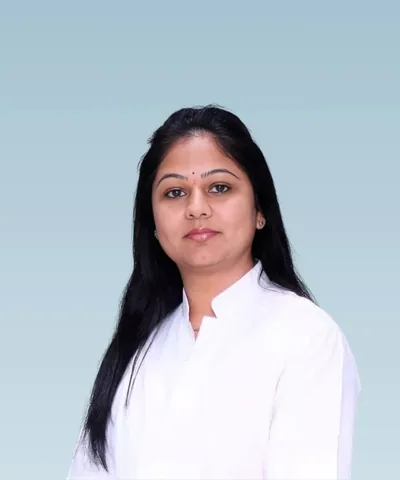
Prosthodontist
BDS, MDS (Prosthodontics), PhD · DCI A-1281 · 15+ years
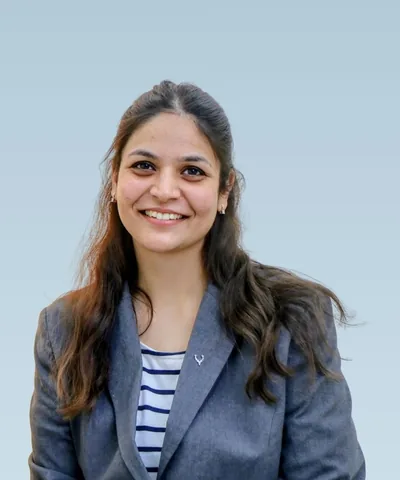
Prosthodontist
BDS, MDS (Prosthodontics)
Teeth that are long-lasting, natural, fixed and yours.
No forms, no waiting on hold. A real person from the clinic replies, not a bot.
Written for patients in plain words. Medically reviewed by Dr. Saurabh Shrivastava, MDS (Prosthodontics), DCI A-04860.
Straight answers to what people ask us before they book. Anything else, message us on WhatsApp.
Dr. Saurabh Shrivastava has practiced as a dental doctor in Bhopal for years, building Smile Gallery Dental Wellness Centre around a simple principle: patients should be able to trust the person treating them, not just the equipment in the room. His approach leans on clear communication, explaining what a procedure involves, why it's needed, and what it'll cost, before any drill comes near a patient's mouth. Whether it's a routine filling, a cosmetic concern, or a more involved procedure like a root canal or implant, patients at Smile Gallery deal directly with a doctor who knows their case, rather than being shuffled between different staff each visit. That continuity is part of why so many patients in Bhopal keep coming back to the same chair year after year.
Smile Gallery Dental Wellness Centre in Arera Colony is a specialist-led dental clinic, caring for Bhopal families since 2011. Treatment is planned by MDS prosthodontists, implants are placed by our implant specialist, and a visiting oral surgeon consults on surgical cases. Instruments are sterilised for every patient, a UV tower disinfects the room between patients, and the clinic is wheelchair accessible.
Smile Gallery is led by its founder, Dr. Saurabh Shrivastava, an MDS prosthodontist and implant specialist, with Dr. Kirti Shrivastava, an MDS prosthodontist with a PhD. Dr. Aashiba Jain, also an MDS prosthodontist, completes the team, and a visiting oral surgeon consults on surgical cases. The doctor who plans your treatment stays with you through it.
Dr. Saurabh Shrivastava holds a BDS and an MDS in Prosthodontics, is a Certified Digital Smile Designer and is registered with the Dental Council of India (A-04860). Dr. Kirti Shrivastava holds a BDS, an MDS in Prosthodontics and a PhD (DCI A-1281). Both have more than 15 years of clinical practice.
Smile Gallery has been treating patients in Arera Colony, Bhopal since 2011. Over fifteen years, many families have come to us across three generations, from a grandparent's dentures to a grandchild's first check-up, and we are rated 5.0 on Google from 477 reviews.
Specialists plan your treatment, not a general dentist. You see the result first through digital smile design, and you get a written plan with the cost before anything starts. We use a BIOLASE dental laser where it means less drilling, offer conscious sedation if you are anxious, and the clinic is wheelchair accessible.
Call or WhatsApp us on +91 92007 00750 between 10 am and 9 pm, or write to info@smile-gallery.com. The clinic is at E-4/205, Main Rd 3, near Flower Market, E-4, Arera Colony, Bhopal 462016. Treatment hours are Monday to Saturday, 10 am to 2 pm and 5 pm to 9 pm. Sunday closed.
Treatment hours are Monday to Saturday, 10 am to 2 pm and 5 pm to 9 pm. The clinic is closed on Sundays. Calls and WhatsApp messages are answered from 10 am to 9 pm, and messages sent outside those hours are answered when we open.
Call or WhatsApp us on +91 92007 00750, or send the short form on this page and confirm it with one tap in WhatsApp. Tell us what is bothering you and a preferred time of day; we will confirm a slot that suits you.
Every patient gets sterilised instruments from sealed, individually packed pouches. A UV tower disinfects the treatment room between one patient and the next, and surfaces are cleaned after every appointment. We follow standard infection-control protocols for every procedure, simple or surgical.
We work hard to make treatment comfortable. Numbing is done gently and properly, a BIOLASE dental laser is used where it means less drilling, and conscious sedation is available if you are anxious. Tell us what you fear before we begin, and we will go at your pace.
We treat every age, from a child's first check-up to braces for teenagers, smile makeovers for adults and dentures or implants for grandparents. Many families come to us together, so each generation is seen by doctors who already know the family.
We use digital X-rays and intraoral scanners to see your teeth clearly, digital smile design so you can see the planned result before treatment, a BIOLASE dental laser for gentler gum and soft-tissue care, and conscious sedation for anxious patients.
We offer dental implants, full-mouth rehabilitation, smile makeovers and veneers, crowns and bridges, dentures, root canal treatment, braces and invisible aligners, teeth whitening, laser gum care and children's dentistry. Surgical cases are seen with our visiting oral surgeon.
Arrive a few minutes early to fill in a short form. Bring any old X-rays or reports and a list of the medicines you take, and tell us about diabetes, blood pressure or blood thinners. If you are nervous, tell us; we will explain each step before we start.
Yes. Children are welcome for check-ups, cleaning, fillings and their first dental visit. We keep the first visit gentle and unhurried, explain things in simple words, and help parents with brushing habits so small problems are caught early.
Often, yes. Some tenderness for a few days after a root canal is normal, but pain that stays or comes back, swelling or a bad taste needs a check. We take a digital X-ray to find the cause, such as an untreated canal or a leaking seal, and tell you honestly whether a repeat root canal (re-RCT) can save the tooth.
Keep the crown safe, avoid chewing on that side, and come in soon. A crown usually comes off because the tooth under it has new decay, is too short to hold it, or the crown no longer fits. We check the tooth first, then fix the same crown back if it is sound or make a new one that fits properly.
Warning signs are an implant tooth that feels loose, pain or swelling around it, bleeding gums or pus. Often only the crown or screw on top is loose, which is a simple fix. We check it with an X-ray and tell you whether it needs re-tightening, gum treatment around the implant, or a new implant.
Yes, EMI is available on dental implants and braces, so the cost can be spread over monthly payments. Ask us at your consultation and we will explain the options along with your written treatment plan.
The cost depends on how many teeth are missing, the bone available, whether bone grafting is needed and the type of crown. We give you a written plan with the exact cost after a check-up and scan, before anything starts. EMI is available on implants.
Yes. A visiting oral surgeon consults at Smile Gallery for surgical cases, working alongside our prosthodontists and implant specialist, so you do not have to be referred to another clinic for them.
Smile Gallery is in Arera Colony, near the Flower Market on Main Road 3. Patients come to us from Arera Colony, MP Nagar, Shahpura, Bittan Market, Habibganj, Kolar Road and across Bhopal.
The clinic is closed on Sundays. You can still send us a WhatsApp message on +91 92007 00750 at any time, and we will reply when we open on Monday at 10 am.
Medically reviewed by Dr. Saurabh Shrivastava, BDS MDS Prosthodontist (DCI A-04860 · IDA 75737). Last updated: 17 October 2026.
Book a visit
Send a photo of your teeth on WhatsApp. A real person from the clinic, not a bot, replies honestly. Darr lag raha hai? Pehle sirf baat kar lijiye.
Calls & WhatsApp 10 am–9 pmCalls & WhatsApp 10 am–9 pm