

Yes — modern dental technology in Bhopal matches the same core tools used by leading clinics as leading clinics elsewhere: digital X-rays, intra-oral scanners, CBCT imaging, laser dentistry, CAD/CAM crowns, 3D-printed aligners, and microscope-assisted endodontics. The technology is widely available; what varies is operator training and protocol.
Medically reviewed by Dr. Saurabh Shrivastava, BDS MDS Prosthodontist, Certified Digital Smile Designer (DSD) (DCI: A-04860). Last updated: May 2026.
Yes — modern dental technology in Bhopal matches the same core tools used by leading clinics as leading clinics elsewhere: digital X-rays, intra-oral scanners, CBCT imaging, laser dentistry, CAD/CAM crowns, 3D-printed aligners, and microscope-assisted endodontics — and at Smile Gallery Dental Wellness Centre, Arera Colony, Dr. Saurabh Shrivastava, BDS MDS Prosthodontist (DCI: A-04860), Certified Digital Smile Designer, applies these tools alongside traditional clinical skill for patients from Shahpura and across the city. Modern dental implants in Bhopal outcomes — root canal therapy at a 95% success rate over 10 years, implants at 98% survival at 5 years — depend on technology used well, not technology alone.
The Shift Toward Modern Dental Technology in Bhopal
In short: modern dental technology in Bhopal has moved from film and putty to digital X-rays, intra-oral scanners, and CAD/CAM in little over a decade — faster, more comfortable visits with more predictable outcomes.
Dental practice in tier-2 Indian cities has moved decisively from analogue to digital over the past decade. Film X-rays have largely given way to digital sensors. Putty impressions have been replaced by intra-oral scans for many cases. Hand-cast metal frameworks are now milled or printed. The result is faster, more comfortable visits with more predictable outcomes — provided the technology is used by trained hands.
Key Technologies Now in Routine Use
Quick answer: the modern dental technology in Bhopal now in routine use includes digital X-rays, CBCT, intra-oral scanners, lasers, CAD/CAM crowns, guided implant surgery, and microscope-assisted endodontics.
1. Digital X-Rays
Sharper images, immediate display on screen, lower radiation than film, and easy comparison with previous visits. Used for almost every diagnostic question, from cavities between teeth to bone height around teeth.
2. Intra-Oral Scanners
Replace traditional impression material for crowns, bridges, veneers, and clear aligners. The scanner captures the teeth in three dimensions in a few minutes; patients prefer it over the older putty-and-tray method.
3. CBCT Imaging
A three-dimensional scan of the jaws, used especially for implant planning, complex root canal cases, impacted wisdom teeth, and orthodontic surgical cases. Radiation dose is targeted and brief.
4. Laser Dentistry
Diode and erbium lasers help with gum recontouring, soft-tissue surgery, decontamination of periodontal pockets, and selected procedures with reduced bleeding and faster healing.
5. CAD/CAM Technology
Computer-designed and milled or printed crowns, inlays, and bridges produce a precise fit faster than traditional laboratory workflows. Same-day or next-day turnaround is realistic for many cases.
6. 3D Implant Planning and Guided Surgery
Implants can be planned on the CBCT scan and a printed surgical guide ensures the placement matches the digital plan precisely. The result is a position that simplifies the final crown work and improves predictability.
7. Microscope-Assisted Endodontics
For complex root canal cases, dental operating microscopes magnify the canal entrance many times over, helping locate accessory canals and clean them more thoroughly. This is especially useful in retreatment cases.
8. Painless Injection Systems
Computer-controlled local anaesthetic delivery makes injections far more comfortable than older syringes — particularly useful for anxious patients and children.
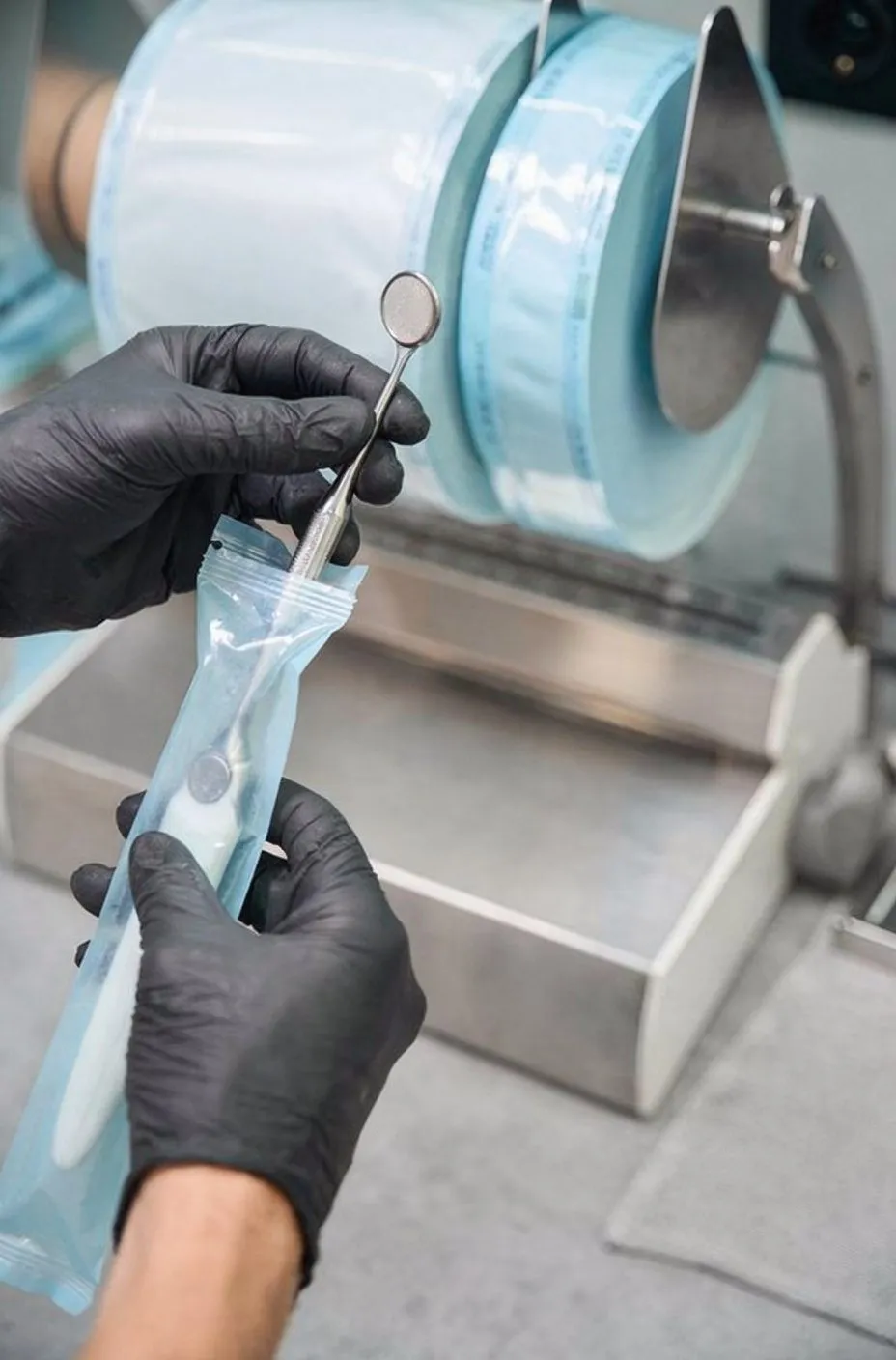
According to Dr. Saurabh Shrivastava, MDS Prosthodontist: "Intra-oral scanning replaced putty impressions at Smile Gallery several years ago — patients no longer gag through a tray-and-material impression for crown or aligner cases. The digital scan takes under five minutes, captures more detail than putty, and feeds directly into the CAD/CAM milling workflow so the crown fits precisely the first time."
Are Bhopal’s Dental Clinics Really Using These Technologies?
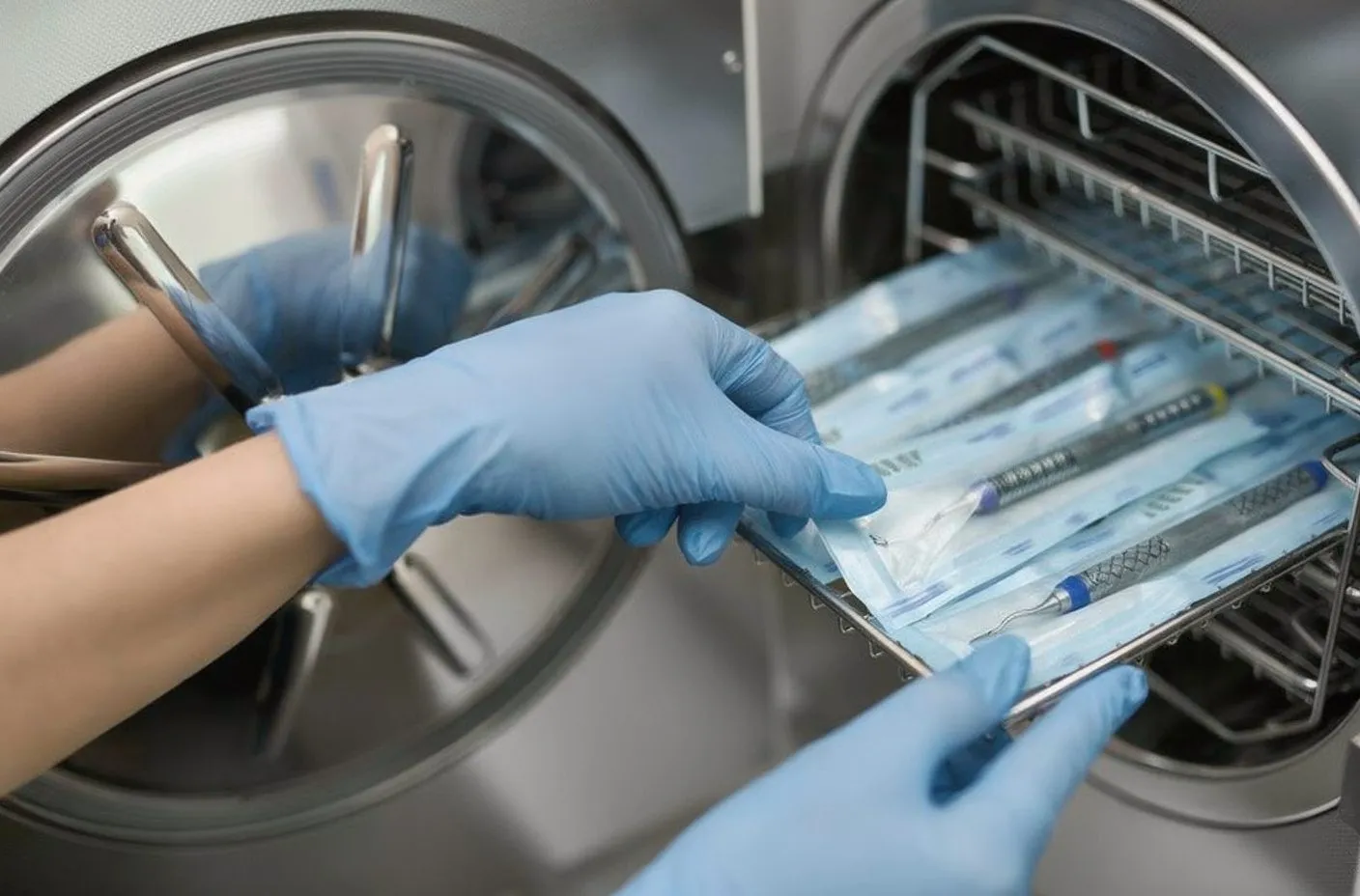
The honest answer is: many are, some are not, and a quick walk through any clinic before booking complex work is the simplest way to find out. Look for digital sensors instead of film, intra-oral scanners alongside putty trays, autoclave sterilisation in plain view, and the dentist showing you findings on a screen during the consultation. The presence of these tools is a strong signal of investment in current standards.
"Technology is only as good as the training behind it. A clinic can own the latest scanner and still deliver poor outcomes if the clinician has not built the skill to use it correctly. What Bhopal patients should look for is not the equipment list — it is the combination of current tools with a specialist who trained specifically to use them."
Dr. Saurabh Shrivastava · BDS, MDS Prosthodontist, DCI A-04860
Why Technology Matters — and Where It Doesn’t
Technology supports good clinical decisions; it does not replace them. A skilled operator with mid-range equipment will outperform an inexperienced operator with the latest setup. The question to ask is not ‘which clinic has the most equipment’ but ‘which clinic combines current technology with the right specialist training for my case’. For complex implant work, that combination is what produces consistent multi-year results.
- Digital X-rays and CBCT imaging — digital sensors produce sharper images at lower radiation than film, instantly viewable on screen. CBCT adds a three-dimensional jaw scan used for implant planning, complex root canals, and surgical cases.
- Intra-oral scanners — a small wand scans the teeth in three dimensions in minutes, replacing the uncomfortable putty impression tray for crowns, bridges, veneers, and clear aligners. The digital file feeds directly into laboratory or milling software.
- CAD/CAM crowns and milling — computer-designed and milled ceramic crowns fit more precisely than manually cast restorations, with same-day or next-day delivery realistic for straightforward cases at equipped clinics.
- Diode laser for soft-tissue work — used for gum recontouring, soft-tissue surgery, and periodontal decontamination. Reduces bleeding, speeds healing, and allows more precise gum shaping around cosmetic restorations and implants.
- 3D guided implant surgery — implants planned on CBCT data and placed through a printed surgical guide, matching the digital position within fractions of a millimetre. Reduces operative time, improves predictability, and allows the final crown to be pre-planned before the day of surgery.
What This Means for Patients
Practical benefits patients notice include: shorter visits, comfortable digital impressions, immediate viewing of X-rays and scans on screen, fewer adjustment appointments because the work fits more precisely, and digital previews of cosmetic work before any tooth is touched. Smile Gallery in Arera Colony applies these tools across implant, smile design, and orthodontic cases in routine practice.
According to Dr. Saurabh Shrivastava, MDS Prosthodontist: "CBCT imaging changed implant dentistry completely — I can plan every implant on a three-dimensional model of the patient's jaw before the surgical appointment, design a printed guide that places each fixture within half a millimetre of the planned position, and show the patient the predicted outcome on screen before the day of surgery. That level of precision was not available in Bhopal ten years ago; it is routine now."
The clinical case and outcome are from Dr. Saurabh Shrivastava's practice.
Anand came in with the attitude of someone who had done his research. He was 47, a software engineer in BHEL Colony, and he had spent two weeks reading about dental implants before booking an appointment. He arrived with a printed list of questions and a mild scepticism about whether a clinic in Bhopal would actually have the technology he had been reading about.
"I have read about guided implant surgery," he said. "CBCT planning, surgical guides, the whole workflow. Is that something you actually do here, or is it something clinics advertise and then refer out?"
I showed him the CBCT viewer on the monitor. We pulled up a case from the previous month — a 3-unit posterior implant case planned digitally, the surgical guide visible in the image, the final crown position confirmed before the surgery day. Anand asked precise questions and I gave him precise answers. The examination showed that he had a missing upper-left first molar — extracted 2 years earlier — and adequate bone for a single implant without grafting, which the dentist in bhopal scan confirmed in the same appointment.
The digital workflow suited him perfectly. Intra-oral scan at the planning visit — no putty, no tray, 4 minutes. CBCT data merged with the scan model. Surgical guide designed and printed. He could see the planned implant position on screen, the digital crown preview, and the exact bone depth and width available at the site. "This is the same workflow I was reading about on international implant forums," he said. "I honestly did not expect to find it here."
The guided surgery took 35 minutes. No flap was raised — a flapless approach was possible because the guide confirmed exact bone position. Minimal post-operative discomfort; he was back at work the next day. The healing abutment was placed at 6 weeks. The ceramic crown was delivered at 12 weeks.
At the crown delivery appointment he took photographs of the final restoration on his phone. "I am going to post this on the expat forum I follow," he said. "Half of them fly to Delhi or Pune for implant work. They do not need to."
At his 12-month review, the implant was stable with no marginal bone loss on the periapical X-ray. The ceramic crown was intact and in full occlusal function. He had referred 3 colleagues from the BHEL Colony office — all of them asking specifically about the digital implant workflow.
What Anand's case illustrates is the gap between assumption and reality for Bhopal patients. The technology is here. What matters is finding the clinic where it is in daily, skilled use — not displayed in a brochure but applied to every planned implant case as a matter of routine.
BDS, MDS Prosthodontist · DCI A-04860 · Smile Gallery, Bhopal
| Follow-up | 12 months post-crown delivery |
| Implant stability | Stable — no marginal bone loss on periapical X-ray |
| Ceramic crown | Intact, full occlusal function at 12-month review |
| Post-operative recovery | Minimal — returned to work next day after flapless surgery |
| Ongoing care | Annual implant check-up and 6-monthly routine scaling |
Frequently Asked Questions
What technology is used at Smile Gallery in Bhopal?
Digital X-rays, intra-oral scanning, CBCT where indicated, ultrasonic scaling, diode laser support, digital smile design, and 3D-printed orthodontic aligners.
Are these services available in Arera Colony?
Yes. Smile Gallery, in Arera Colony, puts this modern dental technology in Bhopal into routine use under Dr. Saurabh Shrivastava (DCI: A-04860).
How long does a typical digital workflow visit take?
A digital scan replaces a 10-minute impression with a 5-minute scan. Crown delivery visits run 30 to 45 minutes.
What should I expect after a tech-assisted visit?
A more comfortable experience, an opportunity to view findings on screen, and quicker turnaround on laboratory work.
How do I book an appointment at Smile Gallery, Arera Colony?
Call +91 9200700750.
Ready for a consultation?
Visit Smile Gallery Dental Wellness Centre, E-4/205, Main Rd 3, near Flower Market, E-4, Arera Colony, Bhopal.
Open Monday to Saturday 10am–2pm and 5–9pm.